
Microbial control inside the equipment itself. The evaporator coil is cold and wet by design, and in this climate it never dries out, which is exactly what mould and biofilm need to establish.
Active Microbial Control • UV Coil Purification • In-Duct Air Treatment Systems
The Short Answer
Comfort Zone installs UV light HVAC systems, coil purification lights, and in-duct air purification technology throughout Palm Beach, Martin, and St. Lucie Counties, as a licensed Florida HVAC contractor (License #CAC1823915) serving the region since 1976. Our technicians install and configure these systems directly within central heating and cooling equipment.
Unlike standard filtration that only captures dust and airborne particles, these systems use ultraviolet technology to reduce microbial growth on coil surfaces and treat circulating air as it moves through the system.
Evaporator coils here remain damp for long periods during extended cooling cycles, creating ideal conditions for biological contamination inside air handlers and duct systems. Because equipment runs nearly year-round, these systems provide continuous protection against moisture-related contamination.
What It Addresses
High humidity and long runtimes create ideal conditions for growth inside air handlers. Purification helps address:
Without active coil protection, growth builds over time and affects both airflow and overall HVAC performance.
Biofilm on a coil is not only an air quality issue. It insulates the coil surface, restricting the heat transfer the coil exists to perform.
The system then runs longer to reach the same temperature, which raises bills and loads the compressor. Dirty coils increase the risk of compressor failure over time, and a compressor is the most expensive component in the system.
Request An AssessmentTechnologies & Installation
Professional installation means integrating UV technology directly into HVAC equipment. Position and exposure matter more than the product, because a lamp that cannot reach the coil fins is decoration.
UV-C lights positioned to continuously illuminate the coil, reducing microbial buildup where moisture collects.
Evaporator coil systems targeting the surface that stays damp through months of cooling operation.
In-duct purification treating air as it moves through the ductwork rather than only at one surface.
Whole-home purifier integration where the concern extends beyond the equipment to the property.
HVAC air sanitizing systems and air scrubber technology for applications that warrant them.
Electrical integration, lamp placement, and airflow verification to ensure safe, effective operation.
Two Different Jobs
Treats a surface. UV-C directed at the evaporator coil, where condensate keeps things damp for months at a time. Suits properties where the concern is:
Addresses the cause directly, and costs less than whole-house systems.
Treats the moving air as it travels through the ductwork to your rooms. Suits properties where the concern is:
Many properties benefit from both, but they solve genuinely different problems.
Why Growth Happens Faster Here
Because systems operate nearly nonstop here, biological buildup occurs faster than in seasonal climates. These are the conditions that drive it.
Moisture is what growth requires, and it is present here in a way it simply is not in most of the country.
Continuous cooling means continuous condensate rather than months of dry idle time.
Coil surfaces stay wet almost permanently, which is precisely the condition mould and biofilm need.
Sealed homes trap moisture rather than allowing it to disperse naturally.
Salt-laden air adds particulate and corrosive load that inland properties never face.
Storm-related humidity infiltration adds moisture in concentrated bursts.
Coil Purification Questions, Answered
A system installed inside your HVAC equipment to reduce mould, bacteria, and microbial growth on coil surfaces, supporting air quality, efficiency, and comfort.
It matters here because evaporator coils stay damp for long periods in this humid environment.
No. UV controls the rate at which growth returns on a clean surface; it does not remove contamination already established.
Installing UV over a fouled coil means paying to slow the regrowth of material still sitting there. Professional cleaning first, then UV to protect the result, is the sequence that gives value from both.
Yes. Dirty coils restrict heat transfer, forcing the system to work harder and increasing the risk of compressor failure over time.
That is the practical case for coil purification: it is equipment protection as much as an air quality measure.
If the system is not cooling effectively, runs longer than usual, or energy bills are increasing, coil contamination may be the cause. Musty odours from the vents are another common indicator.
Coastal conditions here accelerate buildup on coils.
Typically every one to two years. Output declines gradually while the lamp still appears lit, so replacement is scheduled by time rather than by whether it looks like it is working.
A lamp past its service life provides progressively less protection with no visible sign anything has changed.
Coil purification treats a surface: UV-C directed at the evaporator coil. In-duct purification treats the moving air stream as it travels to your rooms.
If the concern is growth inside the equipment, coil purification addresses it directly and costs less. If the concern is the air delivered throughout the property, in-duct is the better fit. Many properties benefit from both.
No. Because the lamp sits inside the air handler rather than in the air path as a filter medium does, it adds no meaningful resistance.
That means UV purification can be added to systems that could not accept a denser filter without losing capacity. We verify static pressure regardless.
The condensate drain pan sits below the coil and holds standing water, making it one of the likeliest places for growth to establish inside an air handler.
Growth there also contributes to clogged condensate drains, a common cause of water damage and shutdowns in this region. Where the equipment allows, we position the lamp to illuminate the drain pan as well.
Related Services
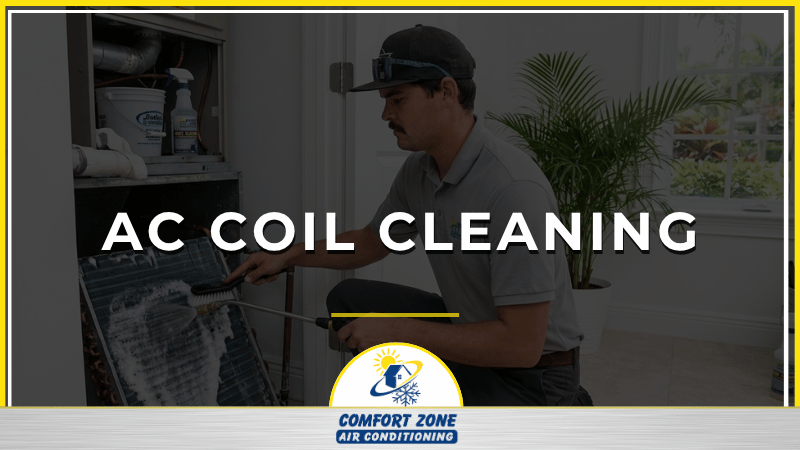
UV protects a clean coil. Existing buildup needs removing before a lamp is worth fitting.
Learn More →
The specific coil-focused product we install, at the lowest cost of the three options.
Learn More →
The full comparison of technologies, if you are still deciding which suits your situation.
Learn More →
Moisture is what allows growth. Controlling it is upstream of every purification decision.
Learn More →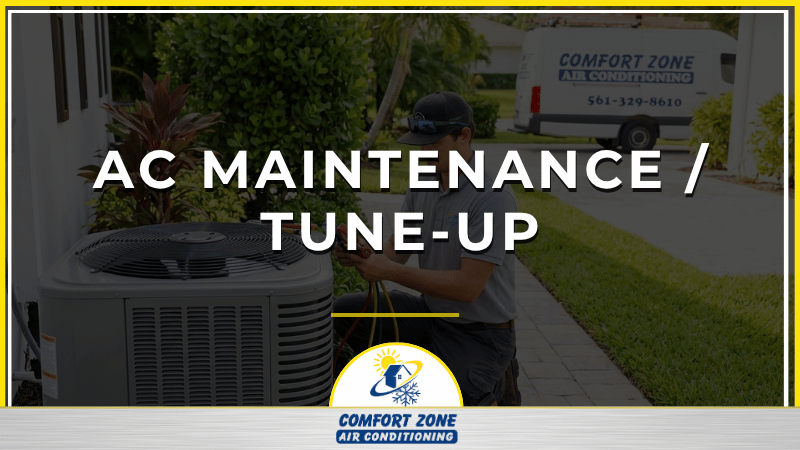
Coil condition and lamp replacement both fit into a scheduled service visit.
Learn More →
Better filtration means less organic material reaching the coil in the first place.
Learn More →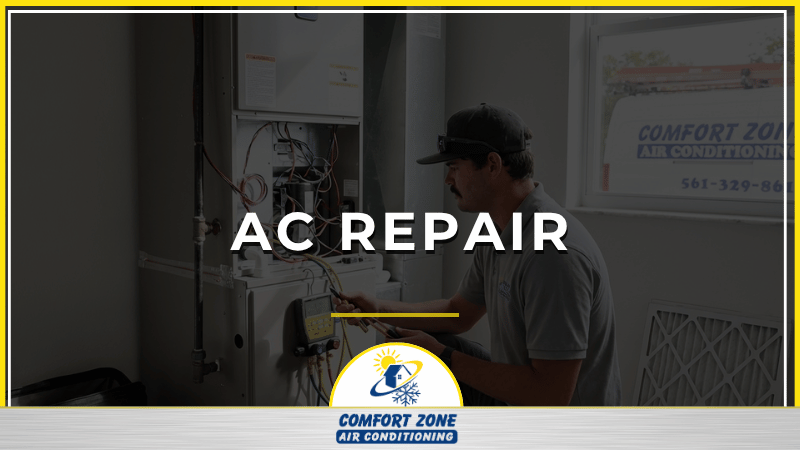
Restricted airflow and long runtimes have several possible causes. Diagnosis identifies which.
Learn More →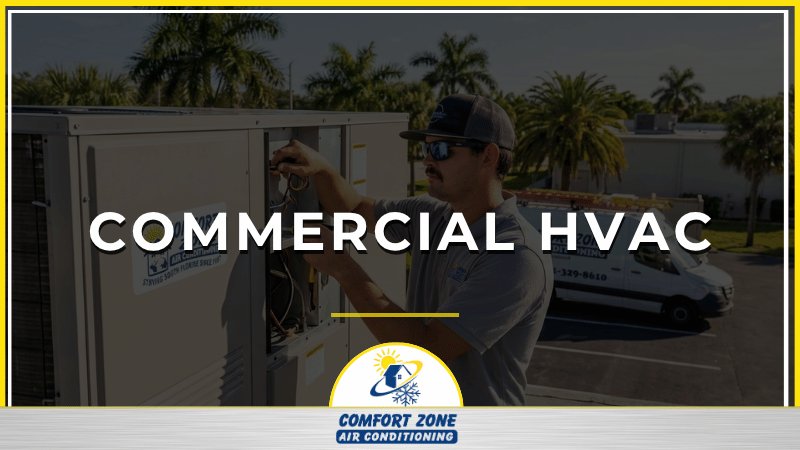
Coil purification for rooftop units, medical suites, and multi-tenant properties.
Learn More →Swipe or use the arrows to browse related services
Serving Palm Beach, Martin & St. Lucie Counties
Our technicians install indoor air quality solutions designed to perform reliably under Southeast Florida's high humidity and year-round cooling conditions.
That is exactly what continuous UV exposure is for. If contamination keeps returning within months of a professional clean, slowing the rate of regrowth is the least expensive way to address it, and it protects the compressor at the same time.
Licensed • Insured • Airflow Verified • Since 1976
Comfort Zone has installed indoor air quality systems across Palm Beach, Martin, and St. Lucie Counties from the same Riviera Beach office since 1976, under Florida HVAC contractor license #CAC1823915.
From emergency AC repairs and refrigerant leak detection to full HVAC system replacement, ductwork installation, heat pump service, and indoor air quality solutions, our HVAC technicians are ready to respond.
If you are experiencing no cooling, system failure, electrical issues, or AC leaks, call now for priority dispatch at 561-790-5910.
Comfort Zone has proudly served residential and
commercial clients since 1976. Our insured technicians
provide reliable HVAC services, including
air conditioning repair, installation, system
replacement, indoor air quality solutions, and 24/7
emergency service throughout Southeast Florida.
License #CAC1823915